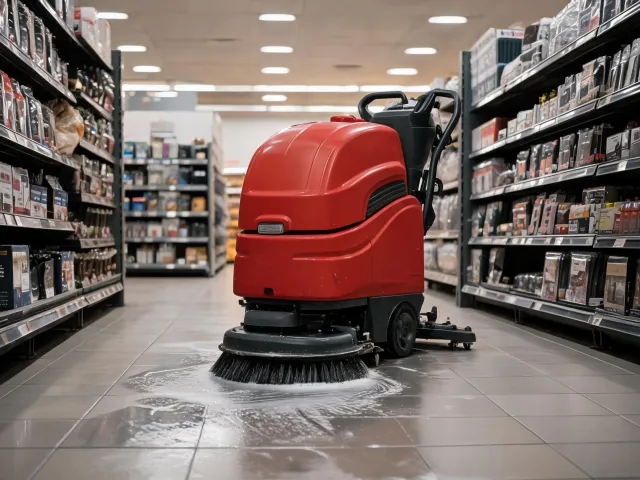
Walk-behind scrubbers
For stores, public corridors, and tight back-of-house routes where maneuvering matters as much as tank capacity.
Review scrubber options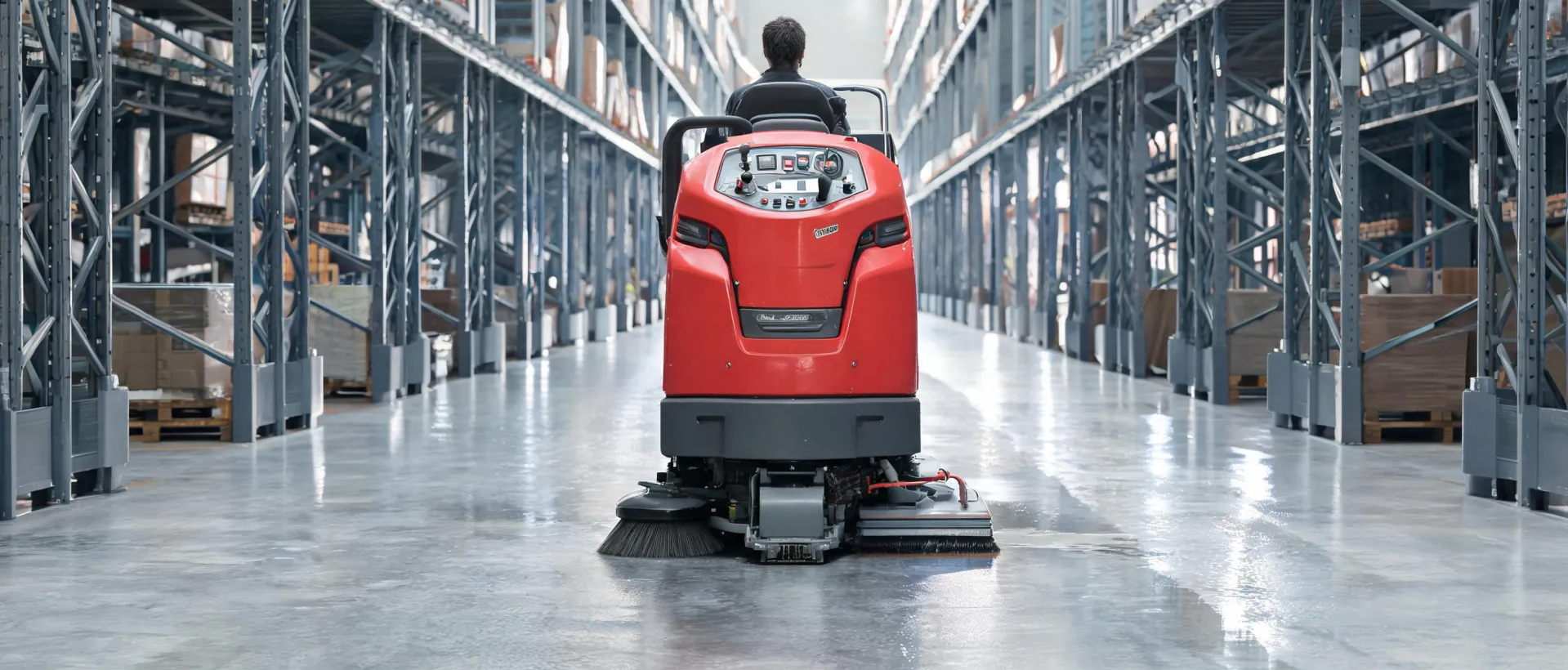
Plan scrubber and sweeper fleets around floor type, duty cycle, operator workflow, and service access instead of buying a machine on headline size alone.
Facility managers usually compare scrubbers and sweepers by width first. A better specification starts with soil load, wet or dry process, aisle geometry, charging plan, and operator handover.
| Planning factor | Scrubber fleet | Sweeper fleet |
|---|---|---|
| Primary duty | Wet scrubbing for marked, dusty, or traffic-polished hard floors. | Dry debris pickup before production, opening hours, or dock changeover. |
| Typical environment | Retail stores, logistics aisles, airports, healthcare corridors, and food support areas. | Warehouses, municipal depots, outdoor aprons, manufacturing yards, and parking decks. |
| Specification focus | Brush pressure, recovery tank access, squeegee geometry, chemical dosing, and battery runtime. | Hopper capacity, side broom reach, filter cleaning, dust control, and turning circle. |
| Service question | Can operators rinse tanks and reach wear parts without a special tool cart? | Can the maintenance team empty debris and inspect filters before the next shift? |
Limits worth naming: a scrubber is not a sweeper, so heavy dry debris must be removed first; battery runtime caps continuous multi-shift work without a spare pack; and unsealed or chemically sensitive floors restrict brush pressure and dosing.
Use these starting points to narrow the fleet discussion before final brush, battery, and service package selection.
For stores, public corridors, and tight back-of-house routes where maneuvering matters as much as tank capacity.
Review scrubber options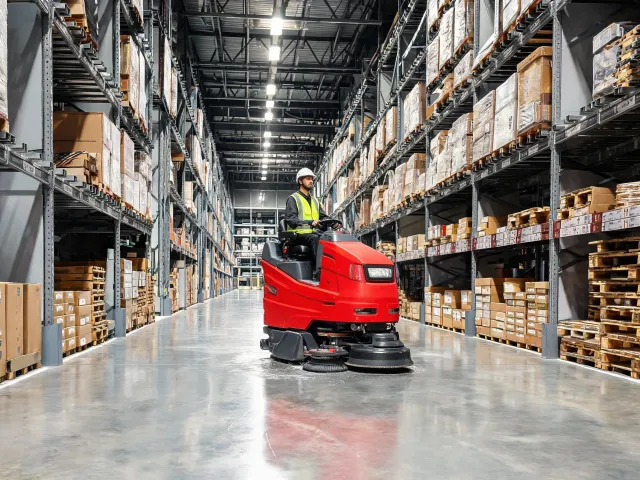
For large-area hard floors that require repeatable cleaning width, long runtime, and fast operator changeover.
Compare ride-on platforms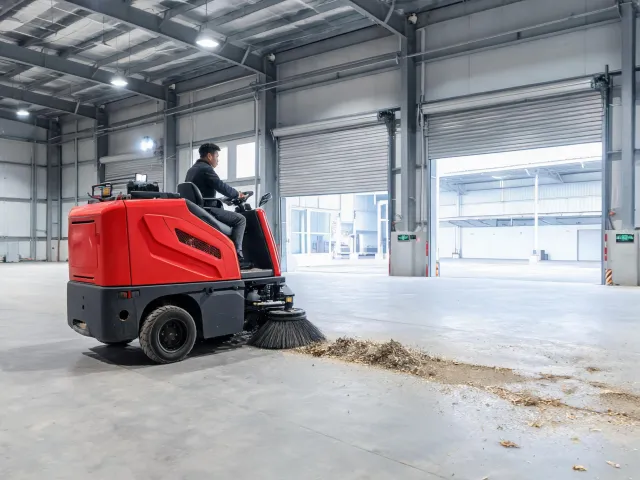
For dry debris, dock dust, packaging remnants, and outdoor-to-indoor transition zones before wet cleaning begins.
See sweeper familiesHako equipment planning is supported by quality, safety, and environmental records that help purchasing teams compare machines with fewer undocumented assumptions.
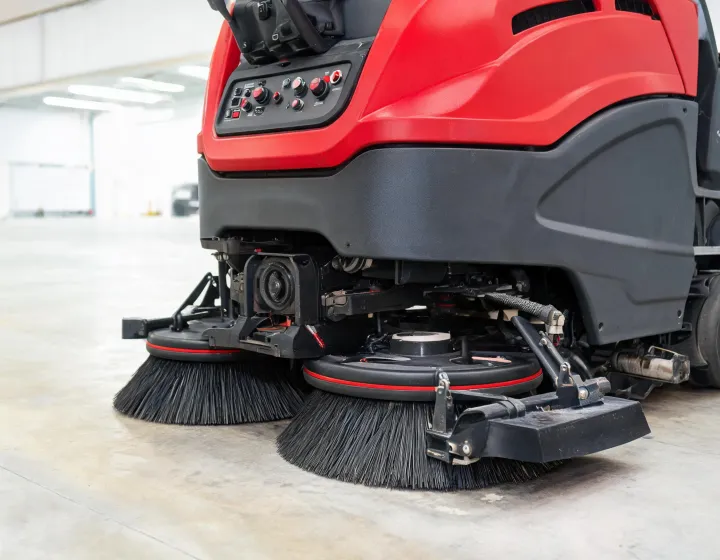
Light retail dust, tire marks, and industrial residue need different settings; the right platform prevents wasted battery and premature brush wear.
Transparent service routines reduce odor complaints, standing water, and the hidden labor that accumulates after every shift.
Standardized controls, charging windows, and dealer support simplify training when one contractor manages several building types.
Application notes, comparison data, and service planning give buyers a defensible reason for each chosen cleaning platform.
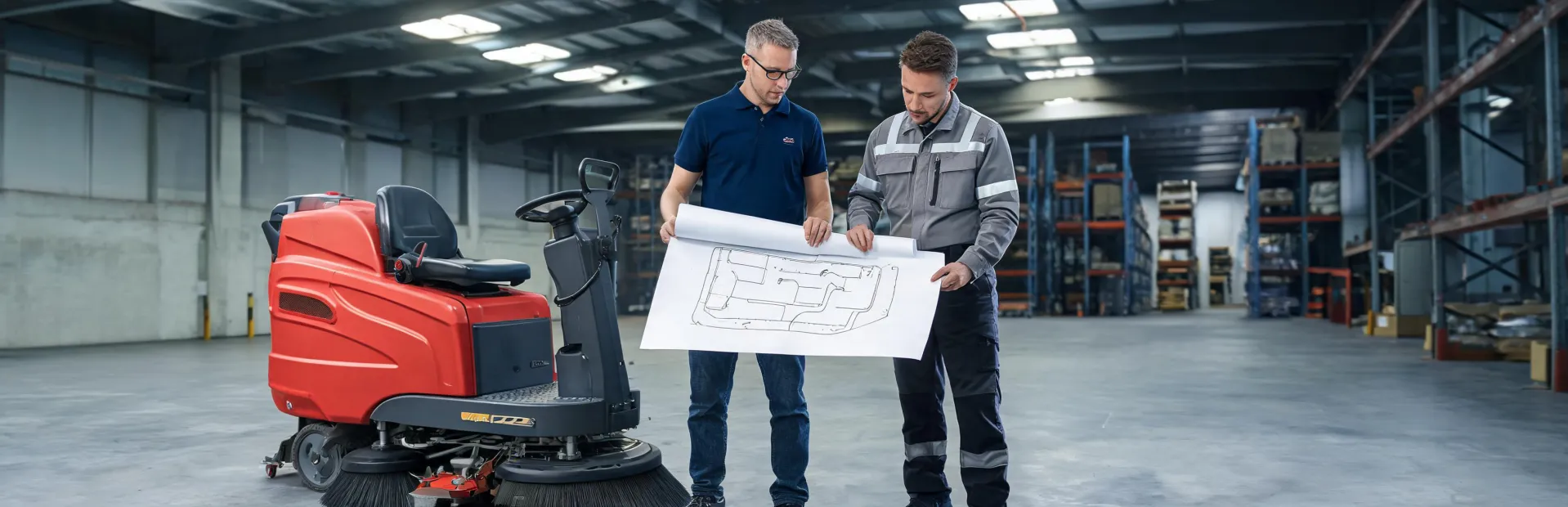
Share floor area, soil type, shift timing, and service expectations. Hako can frame a machine shortlist around measurable cleaning work.
Start a Fleet Review